About BerlinAnalytix

A specialist histopathology lab built around one quality system.

Our Laboratory

Comprehensive histology pipeline, in-house in Berlin.

Berlin Analytix is a fully fledged histology lab. Allowing the processing of any biopsy, material or device that gets sent to us. Following stringent workflow protocols and quality controls. 

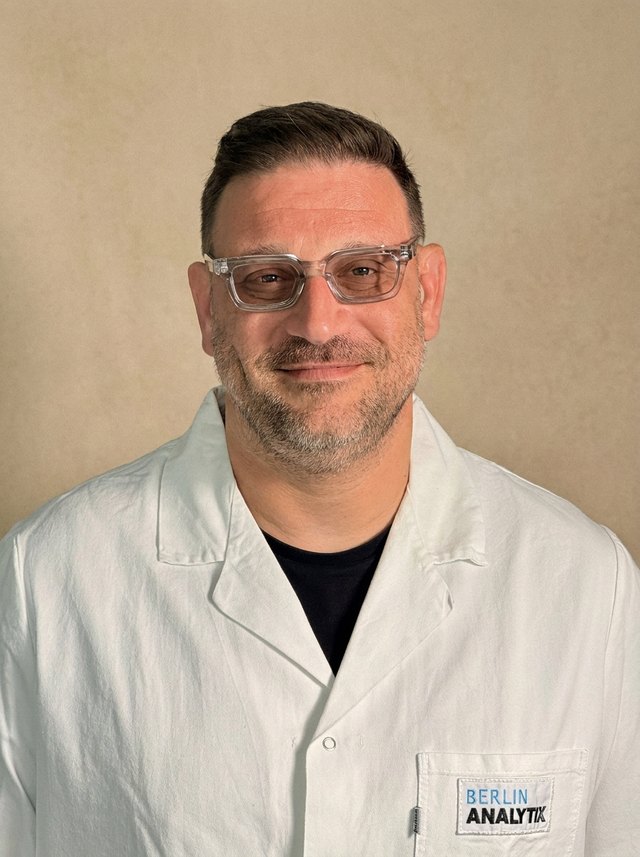
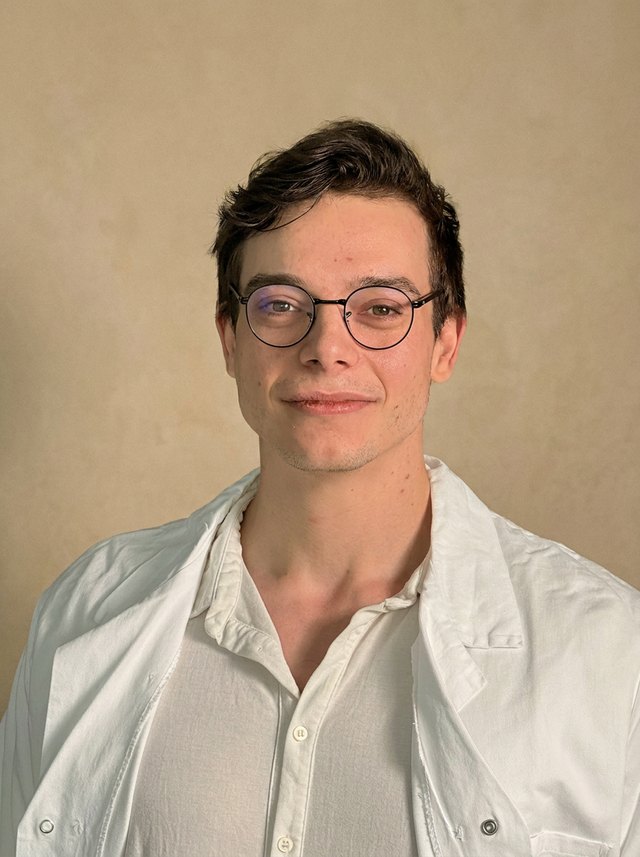
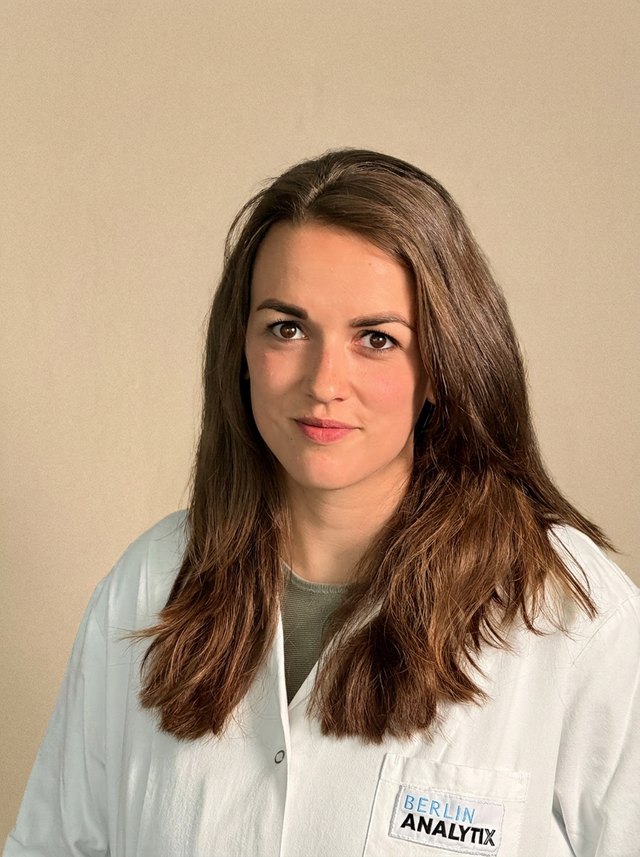
Adrienne Rothe

Chief Lab Technician

Heads our histology operation day-to-day, overseeing specimen processing across every modality the lab runs. Years of bench experience across paraffin, resin and ground-section workflows give her an instinct for which protocol fits which material, and the discipline to keep every study on the same standard, from a one-arm proof of concept to a full GLP-certified biocompatibility investigation.

On-site instruments

Real kit. Named, photographed, in use.

Every capability below corresponds to a specific instrument operating in our Berlin lab, no outsourced steps, no virtual facility.

Embedding · Resin Resin-embedded specimen block
Capability 01

Undecalcified resin embedding

The technique most CROs outsource, performed in-house. Methacrylate resin systems for hard-tissue and implant-containing blocks, with vacuum infiltration and controlled polymerisation.

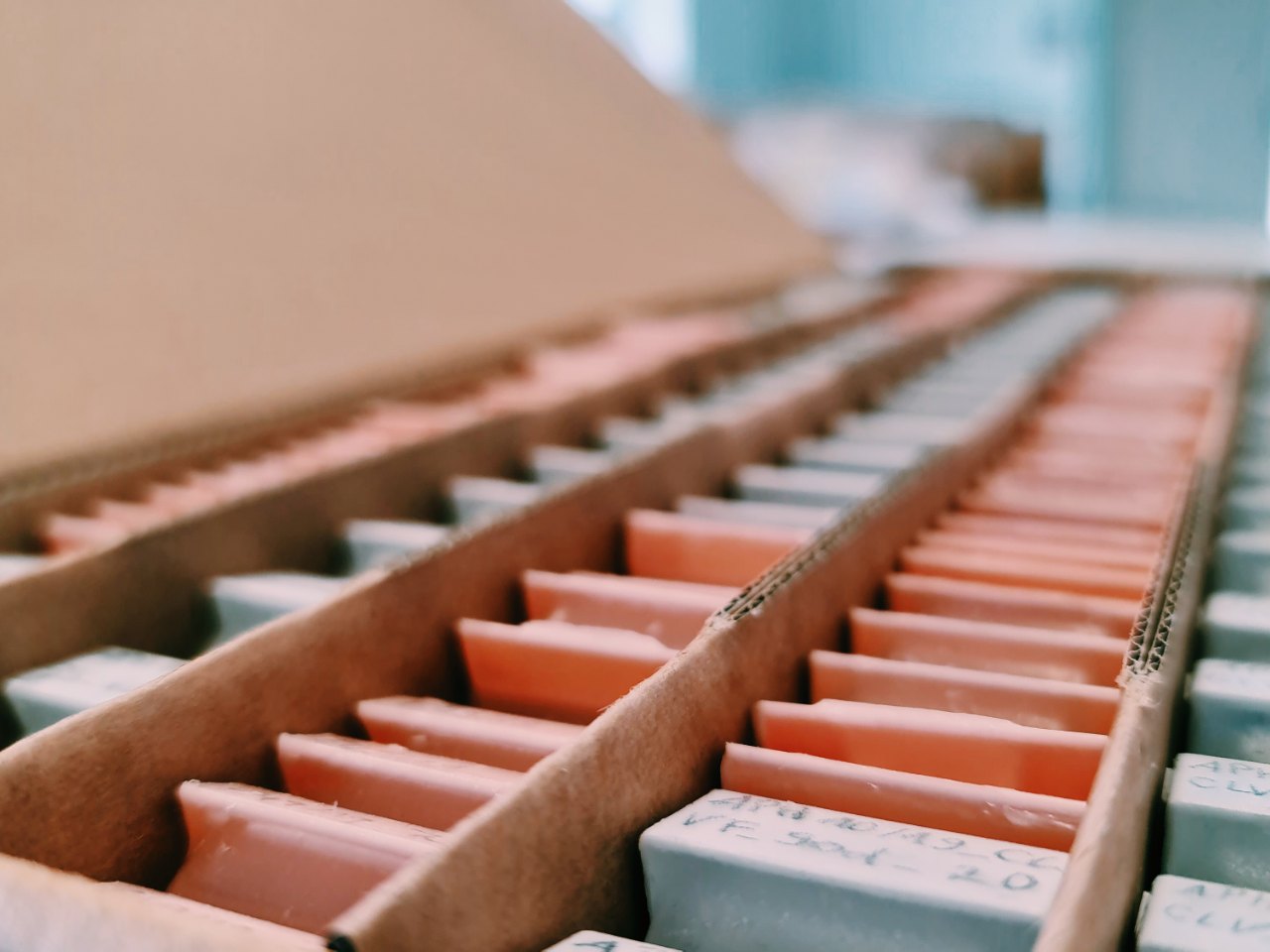
Embedding · Paraffin Paraffin tissue blocks in storage tray
Capability 02

Paraffin embedding

The standard workflow for soft tissue and decalcified specimens. Automated tissue processing, embedding centres and rotary microtomy at study-specific section thickness, with reproducibility audited under ISO/IEC 17025.

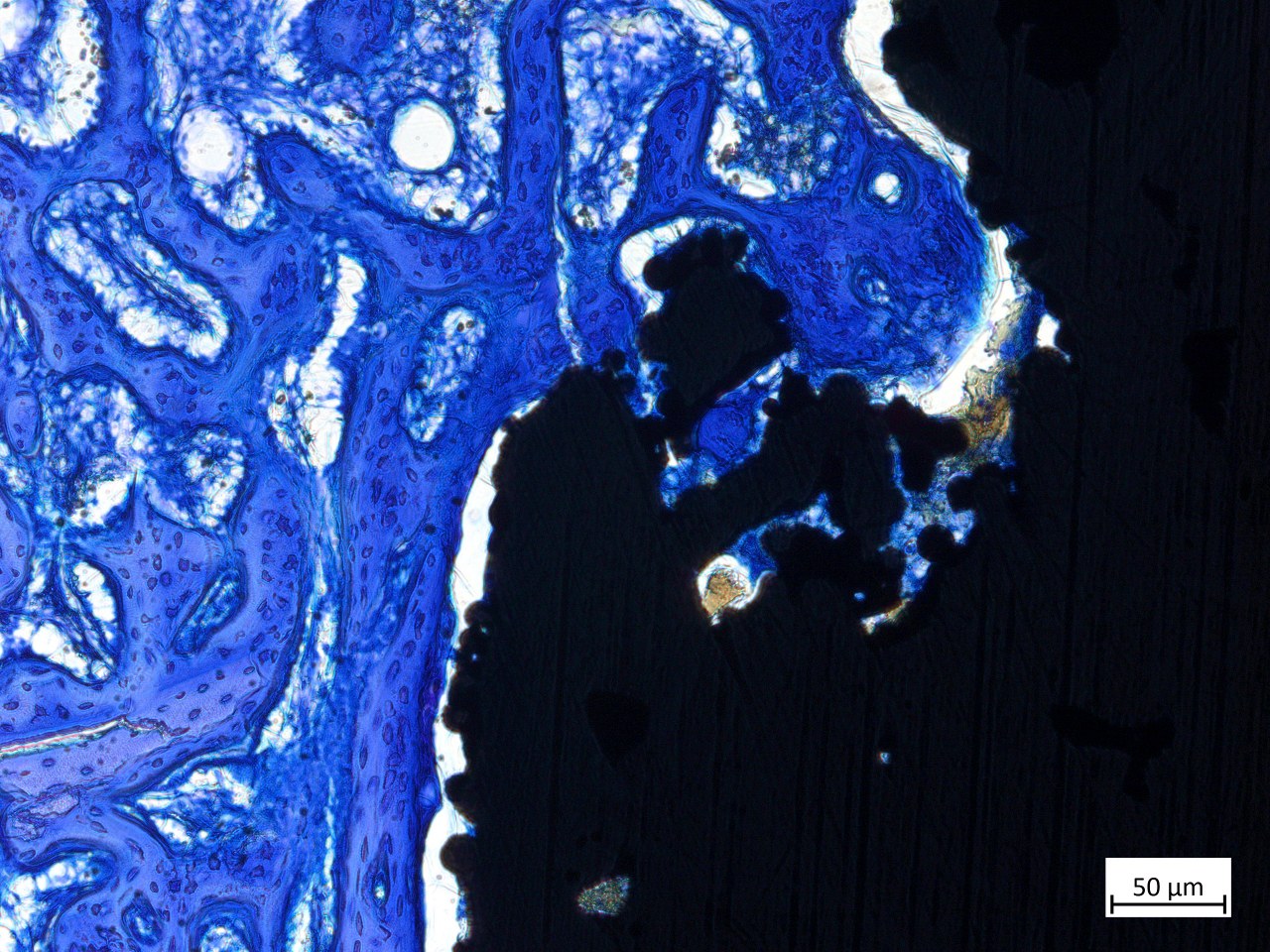
Cutting-grinding Ground section of bone with titanium implant in situ, toluidine blue
Capability 02

Precision processing for titanium implants

Thin ground sections of bone with titanium implants in situ, no decalcification artefact, no metal-tissue mismatch. The Donath technique that defines hard-tissue histology.

Microtomy microTec CUT 4060 microtome
Capability 03

Microtomy sectioning

Paraffin and resin sections of soft-tissue and decalcified hard tissue, and non decalcified hard tissue. 

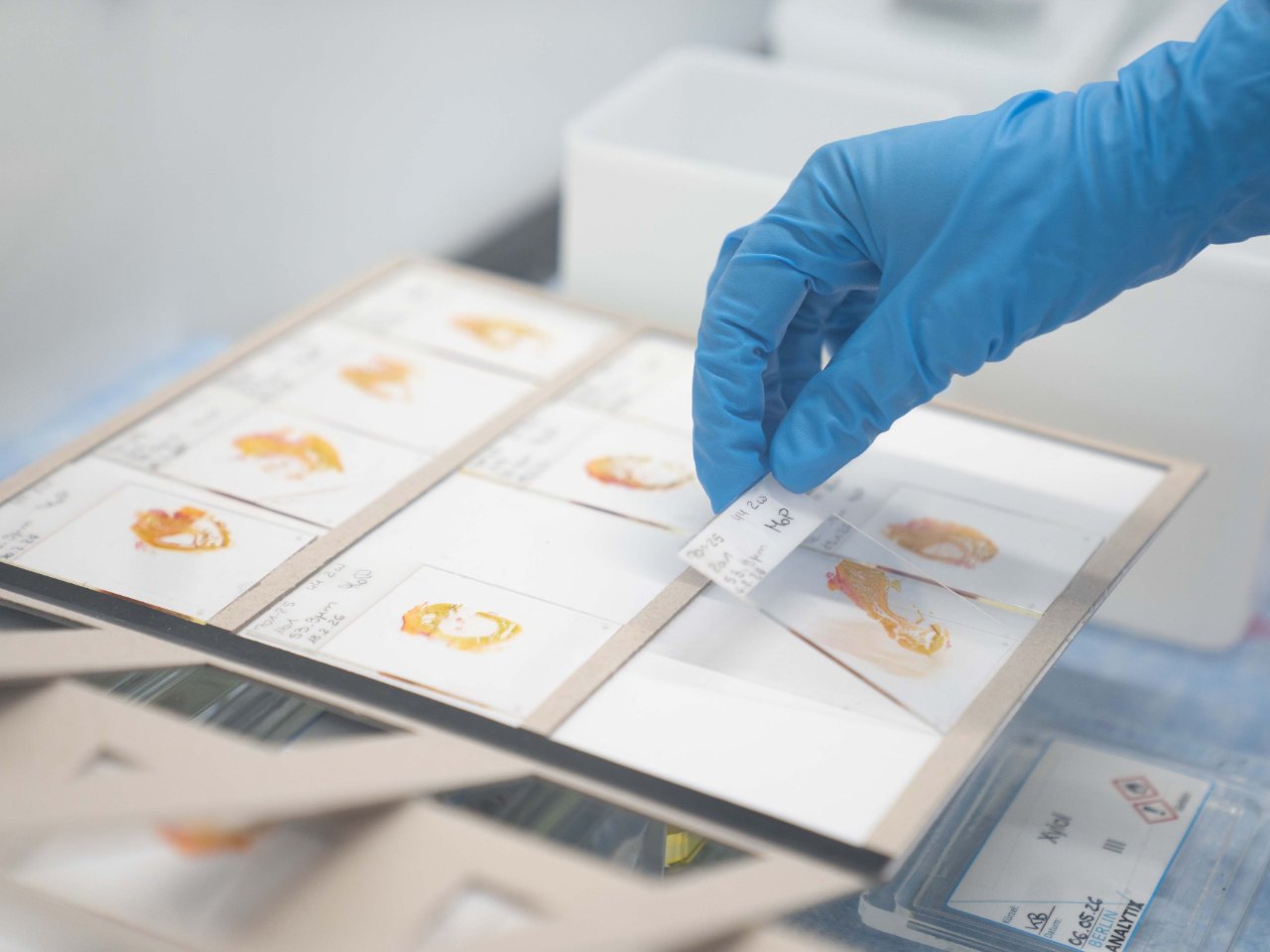
Staining Stained histology slides on a staining rack
Capability 04

Full spectrum of conventional histochemical and immunohistochemical (IHC) stains

The complete conventional histochemical palette plus IHC stains available. Automated reproducibility for the routine panel; manual finishing for biomaterial-specific stains.

Digital pathology ZEISS AXIO Imager.M2 scanning microscope
Capability 05

Whole-slide scanning

Full slide digitisation for pathologist review, histomorphometric and ISO 10993-6 Scoring analysis, sponsor sharing and audit trail. Every section in every study is preserved and archived for 15+ years alongside the physical block.

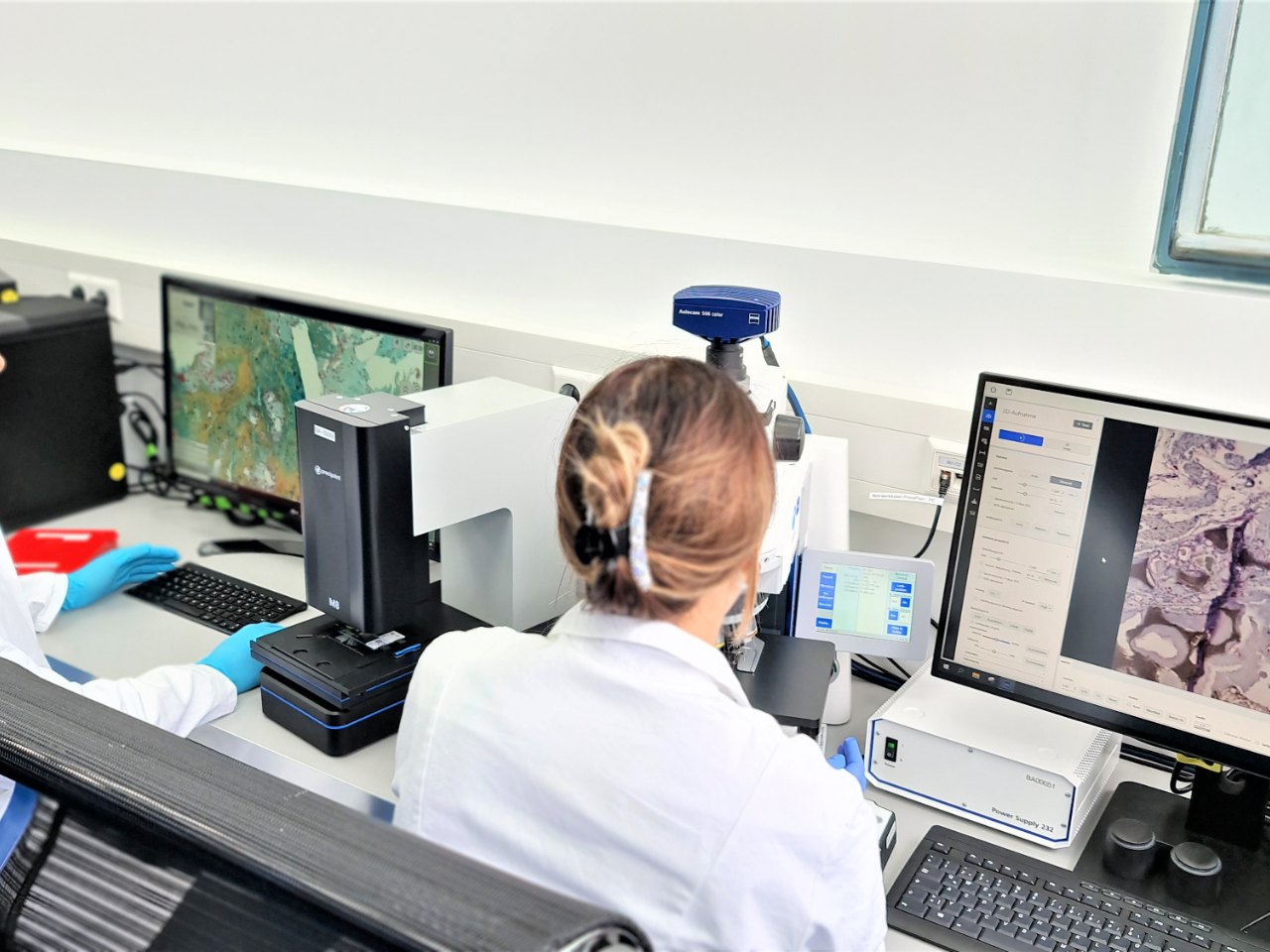
Imaging Scientists imaging at the microscopy workstation
Capability 07

Microscopy & imaging

High-resolution brightfield, fluorescence and polarised imaging at the bench, for collagen orientation, mineralisation assessment and IHC capture beyond what the slide scanner provides.

At a glance

The lab, summarised.

Tissue types

Hard tissue (bone, implant interfaces, dental) · Soft tissue · Decalcified & undecalcified preparations

Methods

Resin & paraffin embedding · Cutting-grinding (Donath) · Microtomy · Histochemistry · IHC · Quantitative histomorphometry

Standards

ISO/IEC 17025 accredited QM · GLP-aligned workflows · GLP-certified protocols · ISO 10993-6 specialist

Turnaround

Typical histology turnaround 4–8 weeks · Rush available · 15+ year specimen archiving

Commonly used conventional staining modalities.

The protocols we run every week, across the full biomaterial portfolio. Material-specific or research-grade stains beyond this catalogue are available on request, most additions can be qualified within a study cycle.

01

Hematoxylin & Eosin

General morphology

The reference overview stain. Nuclei in blue-purple, cytoplasm in pink, used to read tissue architecture and screen every block before specialised work begins.

02

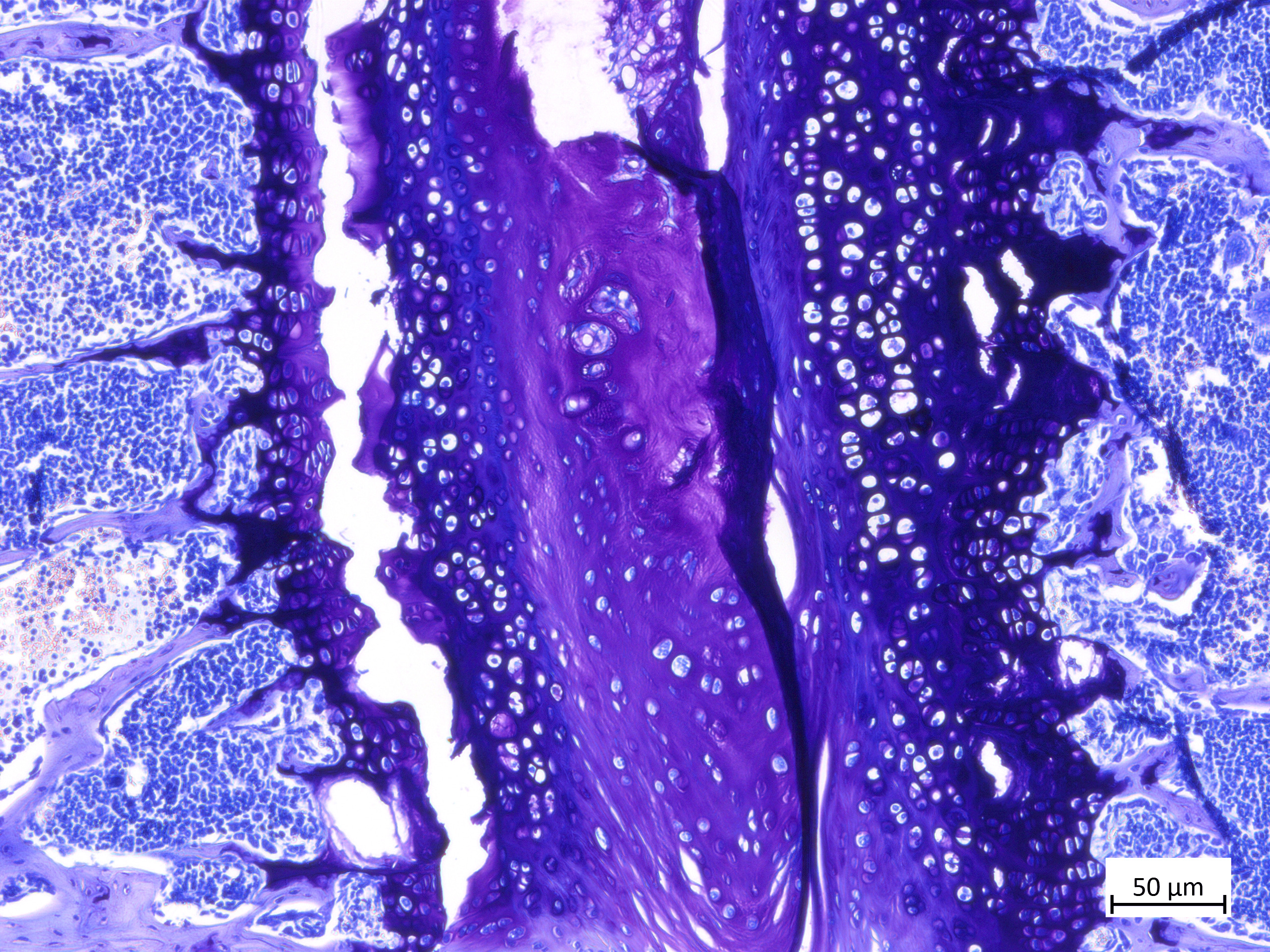
Toluidine Blue

Hard tissue overview

Differentiates mineralised bone, osteoid seams, cartilage and surrounding soft tissue on resin-embedded ground sections, our default first read on hard-tissue studies.

03

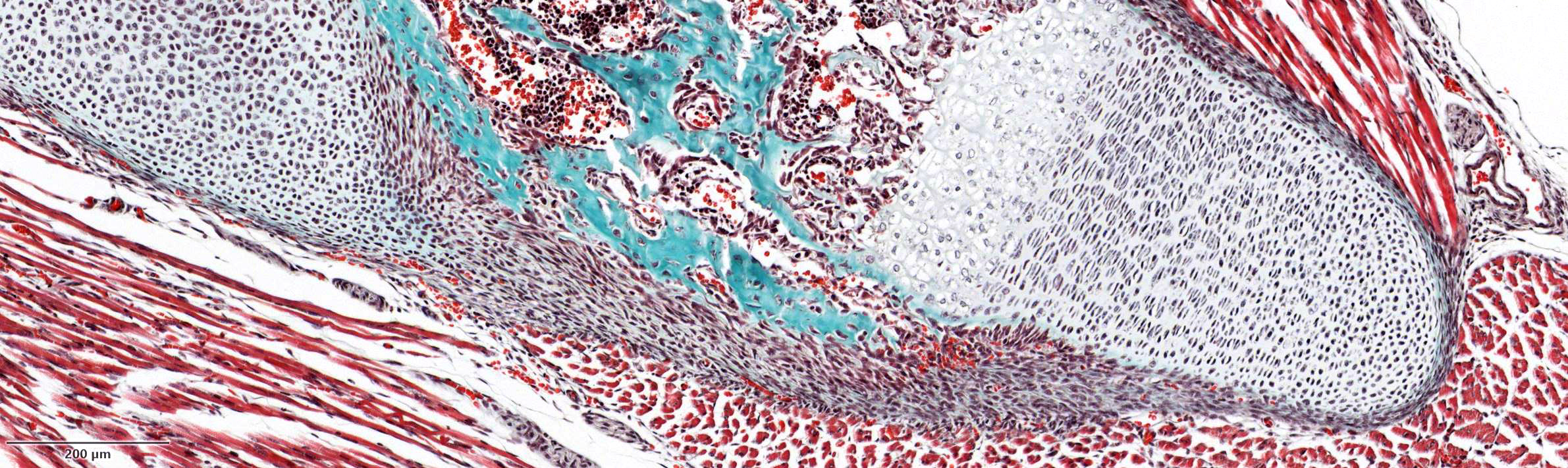
Masson-Goldner Trichrome

Bone & collagen

Separates mineralised bone (green), osteoid (red-orange) and connective tissue. The standard quantitative stain for bone integration and remodelling studies.

04

Alcian Blue

Proteoglycans & mucins

Acidic mucopolysaccharide stain. Binds proteoglycans and glycosaminoglycans, used to highlight cartilage matrix, mucins and connective-tissue ground substance.

05

Giemsa

Blood, marrow & microbes

Romanowsky-type stain. Differentiates blood cells, bone marrow, microorganisms and parasites, used for haematological readouts and infection screening adjacent to implants.

06

von Kossa & TRAP

Mineralisation & osteoclasts

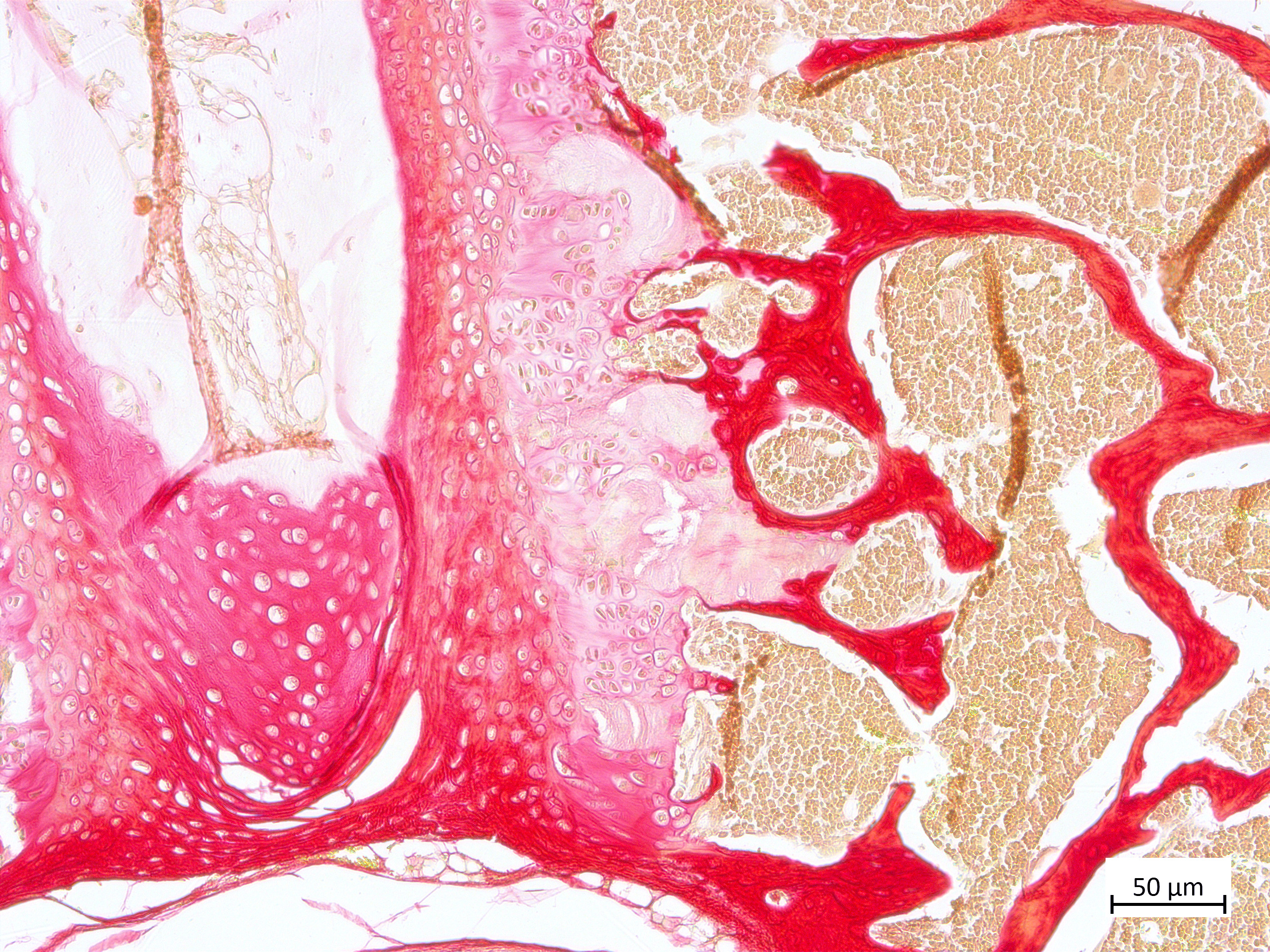
von Kossa marks calcium-phosphate deposition in black; TRAP highlights osteoclast activity in red. The active-remodelling pair for resorbable implants.

07

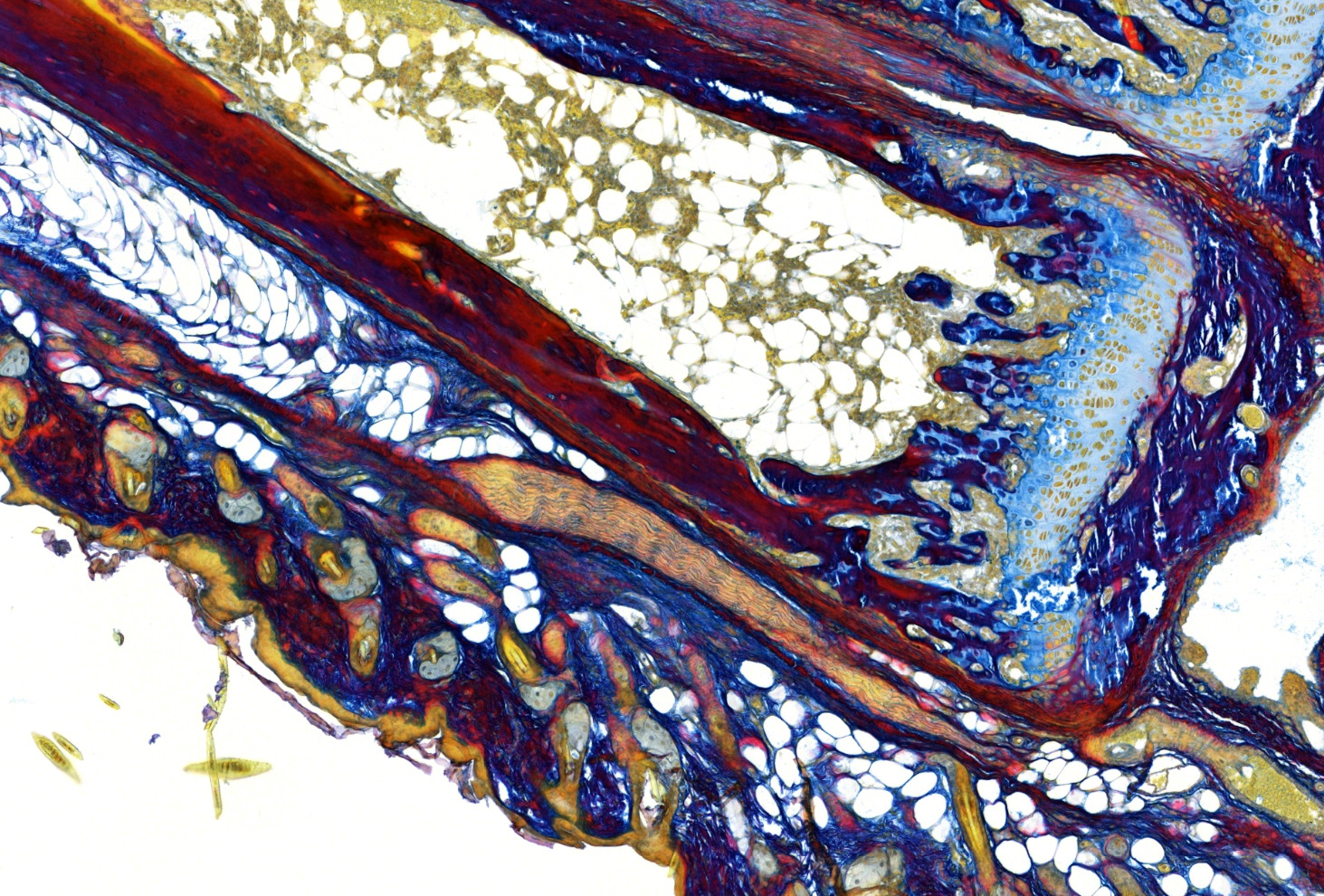
Movat's Pentachrome

Multi-tissue panel

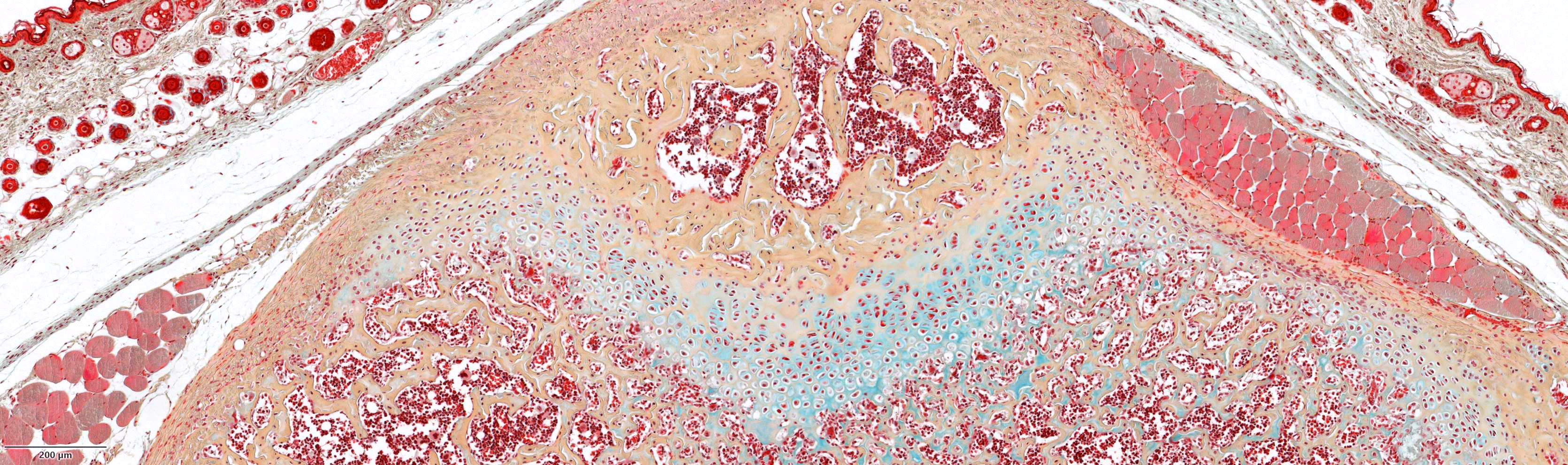
Five colours in one stain, bone, cartilage, collagen, fibrin and elastic fibres. The publication-ready panoramic for soft-to-hard interfaces.

08

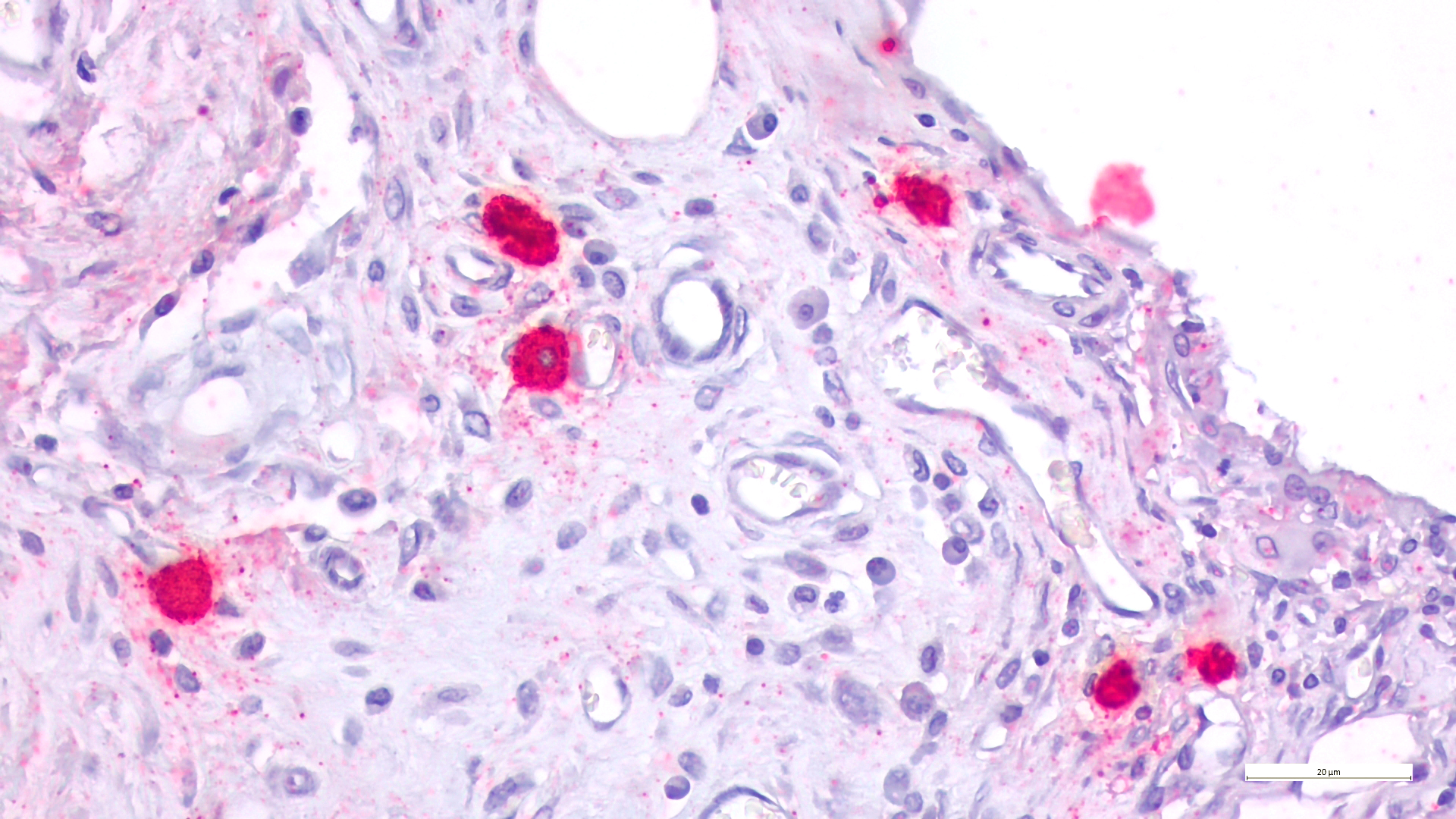
IHC panels

CD68 · CD3 · CD163

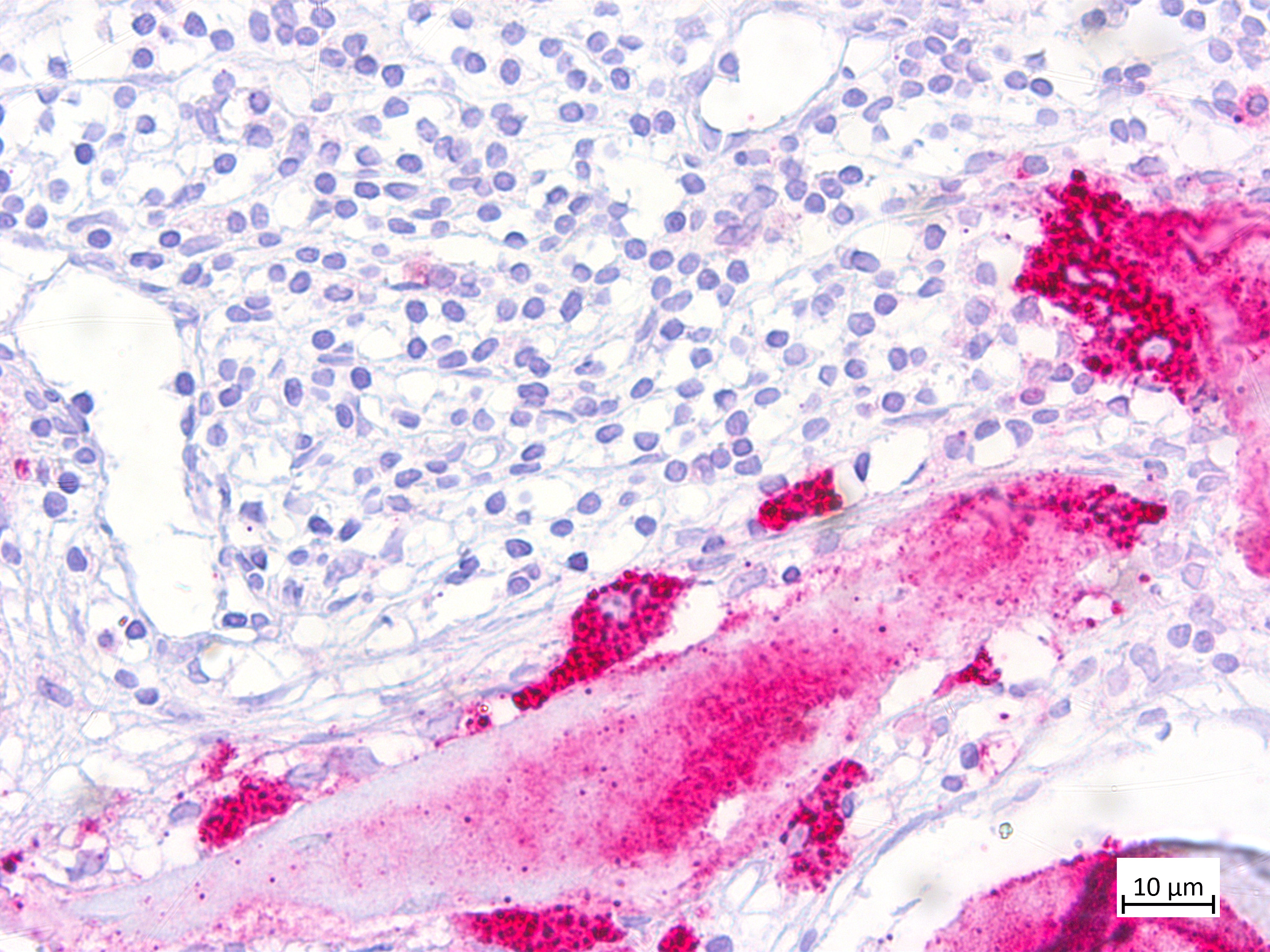
Immunohistochemistry for macrophages, T-cells and the pro-regenerative M2 subset. The immune-response axis of ISO 10993-6 evaluation.

09

Congo Red

Amyloid deposits

Selective binding to amyloid fibrils. Pink-red under brightfield and apple-green birefringence under polarised light, the reference stain for amyloid characterisation.

Material-specific stainings available on request. Picrosirius red, Safranin O, Alcian blue, Giemsa, alkaline phosphatase, additional IHC markers, anything qualified for your indication. Bring the question; we'll bring the protocol.

Accreditation

One standard. One workflow.

Studies run under our accredited Quality Management System with ISO/IEC 17025- and GLP-aligned workflows, or under full ISO/IEC 17025- and GLP-certified protocols, chosen per study scope and the submission your evidence has to support.

DAkkS

ISO/IEC 17025 with GLP-aligned workflow

Accredited testing laboratory. Documented method validation, traceable measurement, audit-grade chain of custody.

GLP

ISO/IEC 17025 with GLP-certified protocols and audit logs

Good Laboratory Practice protocols for studies destined for 510(k), PMA, CE/MDR or Notified Body review.

QM/QS

Internal audit programme

Dedicated QM/QS officer, scheduled internal audits, and a corrective-action process owned across all departments.

Your Team

Your research partners

Every client works directly with the scientist evaluating their samples.

Founder · CEO · Principal Investigator

Prof. Dr. Mike Barbeck

Prof. Dr. Mike Barbeck founded BerlinAnalytix in 2018 and is a leading expert in biomaterial science and the development of new medical devices, with more than 20 years of experience across academia and industry.

He studied human medicine at Goethe-Universität Frankfurt and Johannes Gutenberg-Universität Mainz, graduating with a focus on biomaterial discovery and development. He earned his doctorate at Mainz in 2014. His early research career spanned the Institute of Pathology at the University Medical Center Mainz; the Clinic for Oral, Maxillofacial and Plastic Facial Surgery at the University Hospital Frankfurt, where he led an in-vivo research group on the inflammatory tissue response to biomaterials; and the role of Head of Research & Development at botiss biomaterials in Berlin, before founding BerlinAnalytix.

Using histopathological and histomorphometric methods, he developed a standardised, computational system for evaluating the tissue reaction to biomaterials, focusing on macrophages and multinucleated giant cells and the link between inflammation and tissue regeneration. He has since published over 150 peer-reviewed articles across biocompatibility, foreign body response and biomaterial characterisation, and leads a research group specialising in the biology of biomaterials at the Clinic and Policlinic for Dermatology, Venereology, and Allergology of the University Medical Center Rostock.

He is also a guest lecturer in Biomaterial Science at several university programmes in Germany and abroad.
Education Doctorate, Johannes Gutenberg-Universität Mainz, 2014 — focus on biomaterial discovery and development
Human Medicine, Goethe-Universität Frankfurt & Johannes Gutenberg-Universität Mainz
Professional Background Since 2019 — Research Group Leader (Biology of Biomaterials), Clinic and Policlinic for Dermatology, Venereology and Allergology, University Medical Center Rostock
Since 2018 — Founder & Managing Director, BerlinAnalytix GmbH, Berlin
2016–2018 — Head of Research & Development, botiss biomaterials, Berlin
2013–2016 — Research Group Leader, Clinic for Oral, Maxillofacial and Plastic Facial Surgery, University Hospital Frankfurt am Main
2007–2014 — Research Associate, Institute of Pathology, University Medical Center Mainz
Research Output 150+ peer-reviewed publications, 8000+ citations, across biocompatibility, foreign body response and biomaterial characterisation · Guest Editor for multiple biomedical research journals.

Lab Leader · Management

Dr. med. univ James Bielenstein

A graduate of the Department of Human Medicine at Semmelweis University, Dr. med. univ. James Bielenstein is currently pursuing his PhD at the University of Rostock, with a focus on in vivo biomaterial integration and the immune responses associated with xenogeneic and synthetic tissue implantation.

Following his graduation in 2022, he gained clinical experience in traumatology and orthopaedics as a resident surgeon in Switzerland, and worked in the healthtech private-equity sector before joining BerlinAnalytix. He has served as scientific advisor to Remi Health since the company's founding.

At BerlinAnalytix, Dr. Bielenstein holds Test Facility Management (Leiter der Prüfeinrichtung) responsibility for the GLP-compliant operation of the laboratory, its personnel, infrastructure and quality systems, ensuring the scientific quality of every study conducted. He works directly with clients to optimise implantation study design, outcome analysis and regulatory reporting, ensuring studies are structured to answer the questions that matter to submission. A background in software development underpins the digital pathology and histomorphometry infrastructure that distinguishes the BerlinAnalytix workflow.

Education Dr. med. univ., Semmelweis University, Budapest
Dr. med. (in progress), University of Rostock
Professional Background Healthtech Analyst, MTIP, 2023
Traumatology and orthopaedics, KSA, 2025
PhD in regenerative biomaterials, in progress
Focus GLP test facility operations · ISO 10993-6 implantation study design · Digital pathology infrastructure

Principal Investigator · Soft Tissue Lead

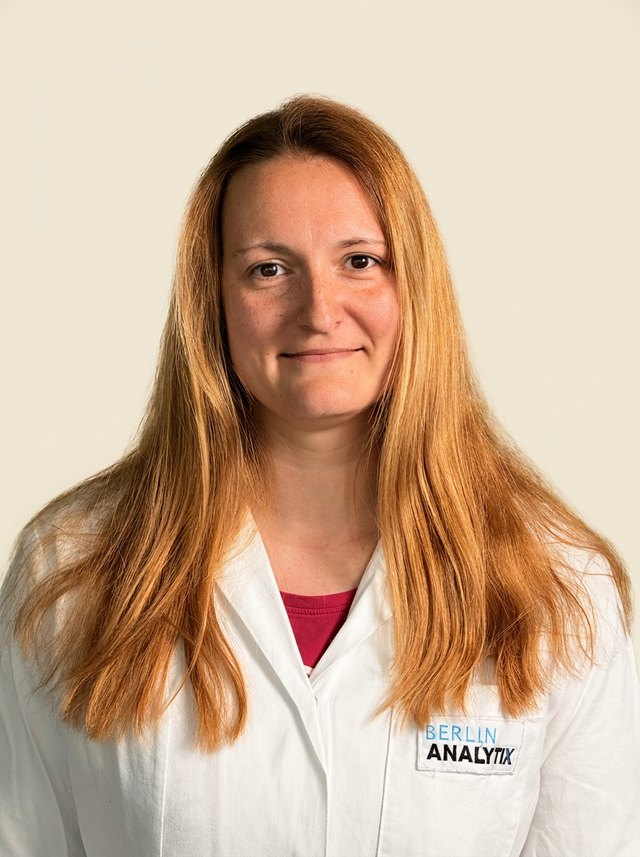
Dr. Kim Burckhardt

Dr. Burckhardt holds a doctorate in biocompatibility evaluation of biomaterials for bone and soft tissue regeneration, building on a Master's in Biology, and has specialised in histological and immunohistochemical tissue analysis. During a two-year pathology internship at the BG Klinikum Unfallkrankenhaus Berlin (ukb), she gained extensive experience in tissue processing, histopathology and immunohistochemical staining, including the investigation of inflammatory processes in human tissue samples with particular attention to the differentiation of M1 and M2 macrophage phenotypes in various pathological conditions.

As Scientific Investigator at BerlinAnalytix since October 2022, Dr. Burckhardt leads the histological assessment of medical devices and biomaterials in accordance with ISO 10993-6 and related international standards. Her expertise covers tissue–implant integration, inflammatory tissue responses and regenerative processes in both soft and hard tissue implantation models, with deep specialisation in semi-quantitative histopathological scoring under ISO 10993-6. She supports clients in the interpretation of complex biocompatibility data and translates histological findings into regulatory submissions.

Her doctoral research evaluated modified bone substitute materials and barrier membranes, and compared subcutaneous and calvarial implantation models for the assessment of novel bone regeneration materials. This scientific background allows her to combine detailed histopathological analysis with a working understanding of biomaterial development and regulatory biocompatibility requirements, making her a direct interlocutor for sponsors as well as a histopathologist.

Focus Soft & hard tissue analysis · Histopathological scoring (ISO 10993-6) · Tissue–implant integration · Biomaterial biocompatibility
Doctorate Analytical methods and biocompatibility evaluation of biomaterials for bone and soft tissue regeneration
Role Scientific Investigator, histological evaluation, histopathology reporting, client interpretation support

Head of QM / QA · Management

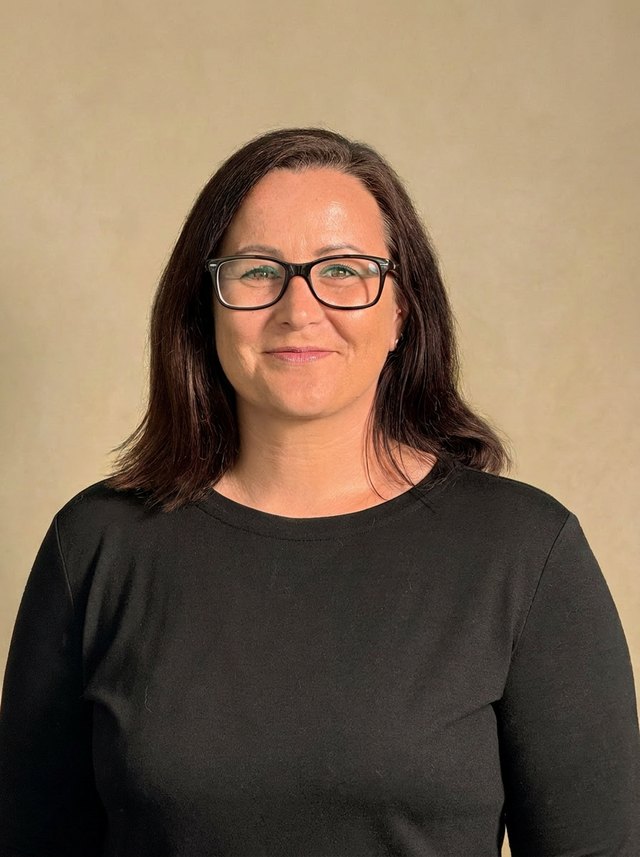
Andrea Keding

Andrea Keding has worked in quality management within medical and laboratory environments for over a decade, with deep practical experience in DAkkS accreditation procedures, internal auditing, and the maintenance of accredited quality management systems. She holds an M.Sc. in Business Psychology with a focus on personnel and organisational development (BSP Business School Berlin), a state-recognised qualification as Medical-Technical Laboratory Assistant (MTLA) from Ernst-Moritz-Arndt-Universität Greifswald, and a certificate in Medical Quality Management from the Bayerische Landesärztekammer.

As Quality Manager (Qualitätsmanagementbeauftragte) at BerlinAnalytix, Ms. Keding maintains the laboratory's quality management system, prepares and accompanies DAkkS accreditation procedures, conducts internal audits, and serves as the central point of contact for management and specialist staff on all quality matters. She is responsible for ensuring that BerlinAnalytix's ISO/IEC 17025 accreditation and GLP certification are upheld in day-to-day operations.

Before joining BerlinAnalytix, she spent over twelve years as Sanitätsfeldwebel in the medical service of the German Federal Armed Forces (Bundeswehr), including five years as deputy quality management officer, and subsequently served as Deputy Quality Management Officer at Bundeswehrkrankenhaus Berlin, where she maintained the QMS under DIN EN ISO 15189 and supported the institution's DAkkS accreditation. This combination of frontline laboratory experience, formal QM training, and a Business Psychology background gives her a working understanding of both the technical and organisational dimensions of quality systems.

Focus ISO/IEC 17025 & DIN EN ISO 15189 · DAkkS accreditation procedures · Internal audits · GLP-compliant quality management · QM training and consulting
Qualifications M.Sc. Business Psychology (personnel & organisational development) · Certificate in Medical Quality Management (Bayerische Landesärztekammer) · MTLA, Medical-Technical Laboratory Assistant
Role Quality Manager, QMS maintenance, internal audit programme, accreditation support, staff training

Continue

Meet the team and start a conversation.

Every client works directly with the scientist evaluating their samples, see who's on the bench and how to reach them.